Mezzanine floor Museum collection level C

Daily life and necropolis

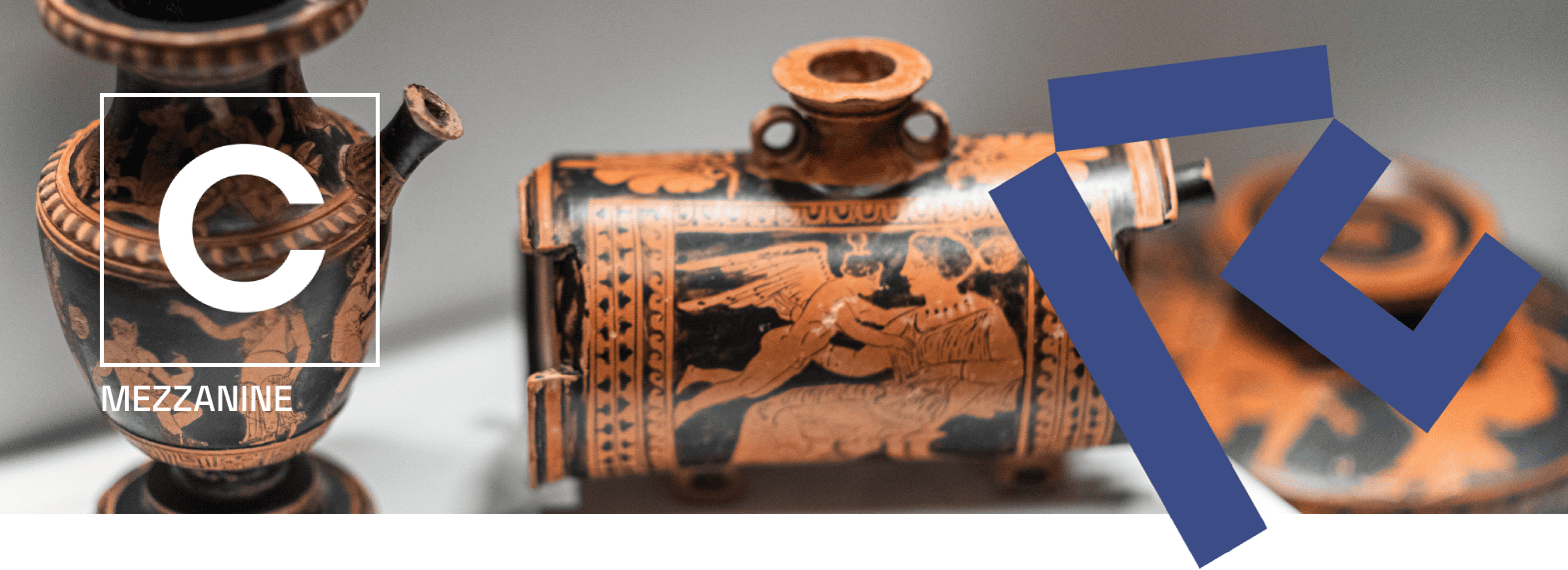
The mezzanine level focuses on three main themes: daily life in the cities of Magna Graecia, funerary practices, and the role of Italic peoples such as the Lucanians and Brettians.
Through ceramics, symposium objects, musical instruments, and funerary goods, the collections narrate the entire cycle of life in the Greek and Italic worlds.
The exhibition combines art and archaeology to explore the beliefs, values, and rituals of different eras and cultures that intertwine in this region.

Book your ticket

Ticket

Life and afterlife in ancient Calabria

Daily life in Locri

The theater of Locri, one of the best-preserved in Calabria, reflects the central role of poetry and music. From this site come antefixes with Silenus heads, a figurine of Aphrodite Urania seated on a turtle, and a ritual food warmer.
The urban layout was organized into blocks with houses and workshops: tools, pinakes depicting furniture and household items offer glimpses into everyday life.
In the artisan quarter, known as the “Ceramico”, terracottas and ceramics were produced, highlighting the importance of craftsmanship and trade.
The artifacts on display provide a vivid and multifaceted portrait of life in a polis of Magna Graecia, shaped by both rituals and daily routines.

Necropolis and burial rites

The necropolis of Metauros has yielded over 1,500 tombs. Between the 7th and 6th centuries BCE, cremation was the dominant funerary practice, later replaced by inhumation. Objects buried with the deceased, such as perfume bottles (unguentaria), played a ritual role.
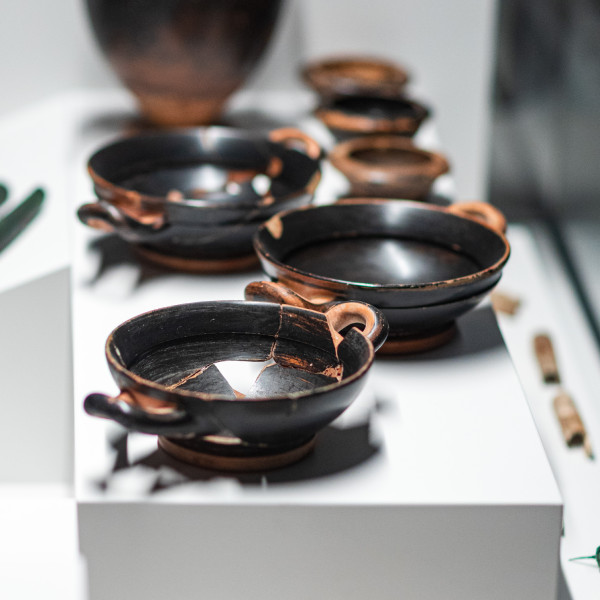
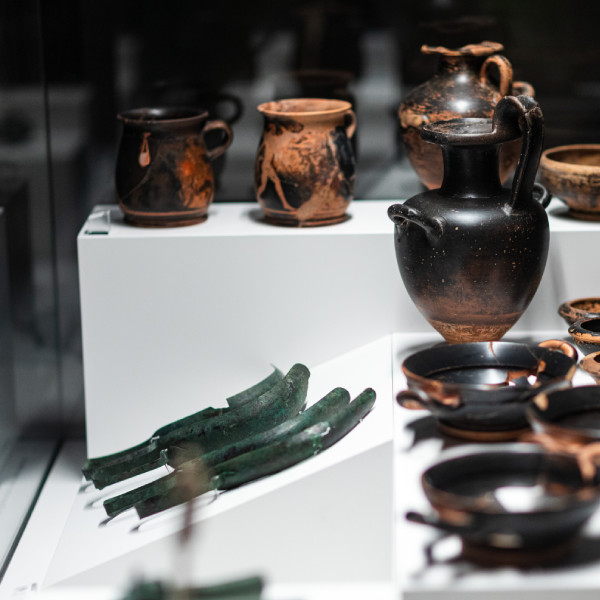
The tombs from the Lucifero district in Locri reflect differences in gender and social status: male grave goods often include symposium vessels, while female burials are rich in toiletry items.
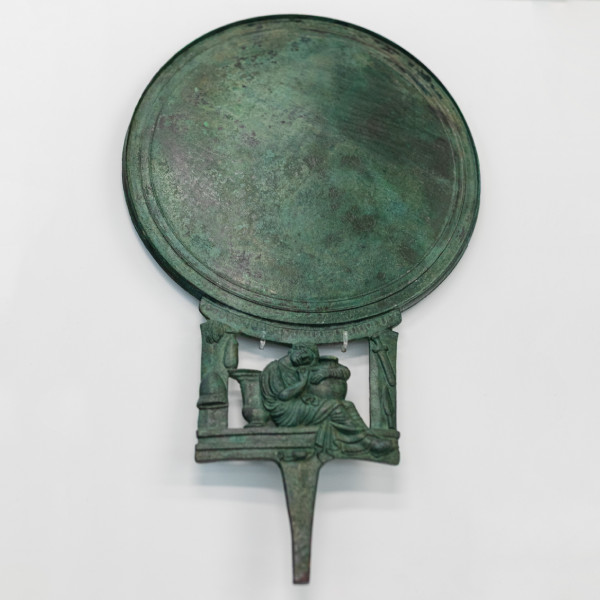
The museum holds one of the most important collections of bronze mirrors from Magna Graecia, as well as a rare perfume container in the shape of a dancing maenad — an expression of refinement, status, and identity.

Lucanians and Brettians

The necropolises of Laos, Castellace, and Varapodio reveal the identity of local elites during the Hellenistic period.
At Laos, a rich male funerary assemblage featuring armor and symposium pottery celebrates the high status of the deceased.
At Castellace, lead objects and a votive plaque dedicated to Heracles of Reggio highlight the central role of cult and banquet practices.
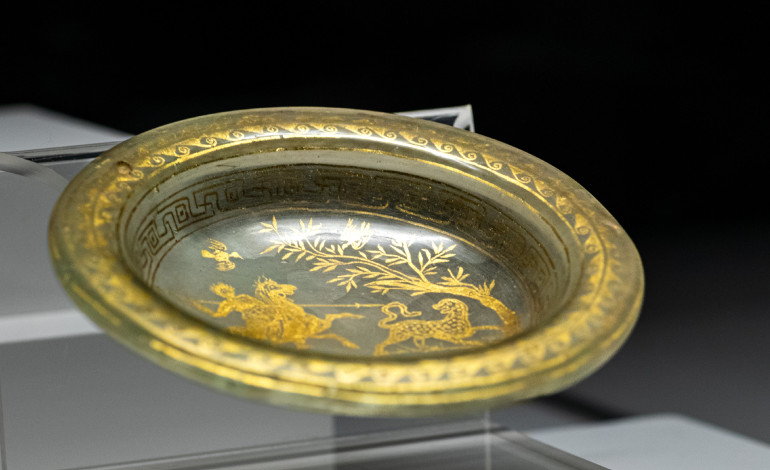
From Varapodio comes a glass cup decorated in gold, showcasing both the craftsmanship of the time and the wealth of its owner.
Meanwhile, the “House of the Mosaic” in Taureana reveals traces of domestic life: a mosaic with a hunting scene, a bronze kline, and an elegant silver set engraved with the name of the owner.

Plan your visit
Explore