Riace Bronzes and other treasures
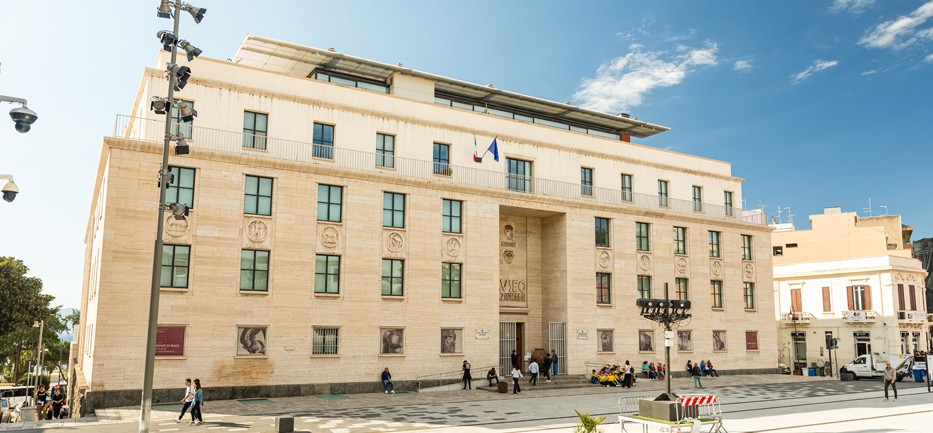
The National Archaeological Museum of Reggio Calabria (MarRC) is a dynamic and constantly evolving place that combines the value of heritage with a vision open to the present. Housed in the Palazzo Piacentini, the first building in Europe to be designed and built to house an archaeological collection, the Archaeological Museum of Reggio Calabria is now a living and accessible cultural center, overlooking the Strait and nestled in the urban heart of the city. Here memory is intertwined with innovation, among great finds and new visitor experiences.
A vibrant, shared museum
The Museum of Reggio Calabria is an open institution that thrives through its relationship with the community. It promotes active participation and engages the local area through projects, events, and activities designed for all ages. Its mission goes beyond preserving heritage: it aims to create connections, stimulate dialogue, and foster a sense of belonging, making culture a tool for collective growth.
At the heart of the Museum’s commitment is the idea of an inclusive, accessible, and ever-evolving public space. It positions itself as a cultural laboratory where past and present meet in an ongoing dialogue. From schools to associations, from local visitors to tourists, everyone is invited to participate and contribute to a vision of the Museum as a living place that grows together with its city.


Fragments of history
1954
The National Archaeological Museum partially opens to the public. This marks the beginning of a journey that will make it one of the main cultural hubs of Southern Italy.
1959
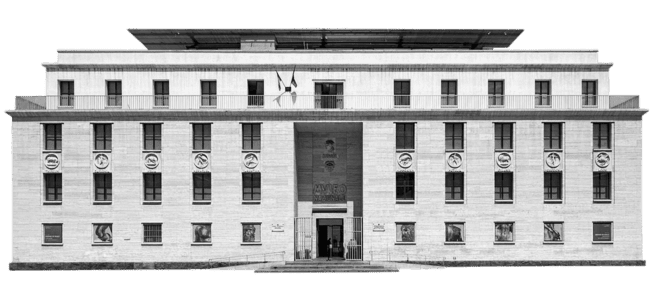
Official inauguration of the Museum at the Palazzo Piacentini building, one of the first buildings in Europe specifically designed to house an archaeological collection.
1981
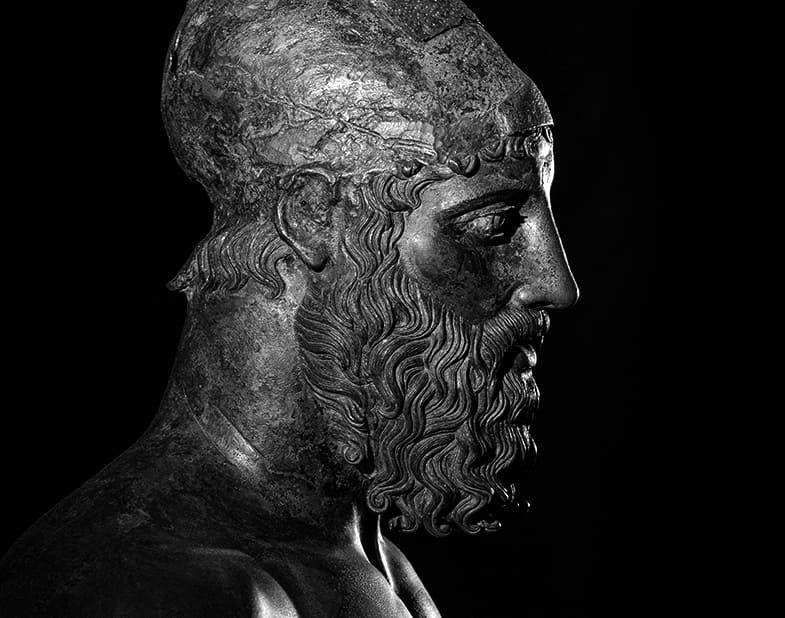
The underwater archaeology section is established, designed to house the Riace Bronzes, masterpieces of classical Greek art.
2009
The Museum closes for extensive architectural restoration and the reorganization of the exhibition spaces.
2016
After seven years of work, the Museum reopens completely renovated. The central courtyard, covered by a glass structure, becomes the functional and symbolic centerpiece of the new layout, and the terrace overlooking the Strait is ready to host exclusive events.
The Museum by the numbers
Piacentini Palace
Designed by Marcello Piacentini in the 1930s, the building housing the National Archaeological Museum of Reggio Calabria is one of the first buildings in Europe conceived exclusively for museum use. An example of rationalist architecture, modern for its time, it engages with the city thanks to its strategic location between Piazza De Nava and the Lungomare. Fully renovated, today the building welcomes visitors into the museum’s inner square, named after Paolo Orsi, and offers exclusive moments on its stunning terrace overlooking the Strait.